Tokyo University of Agriculture and Technology Tanaka & Kataoka Lab.
Understanding Adaptive Mechanisms and Genome Evolution in Response to Environmental Changes and Extreme Environments
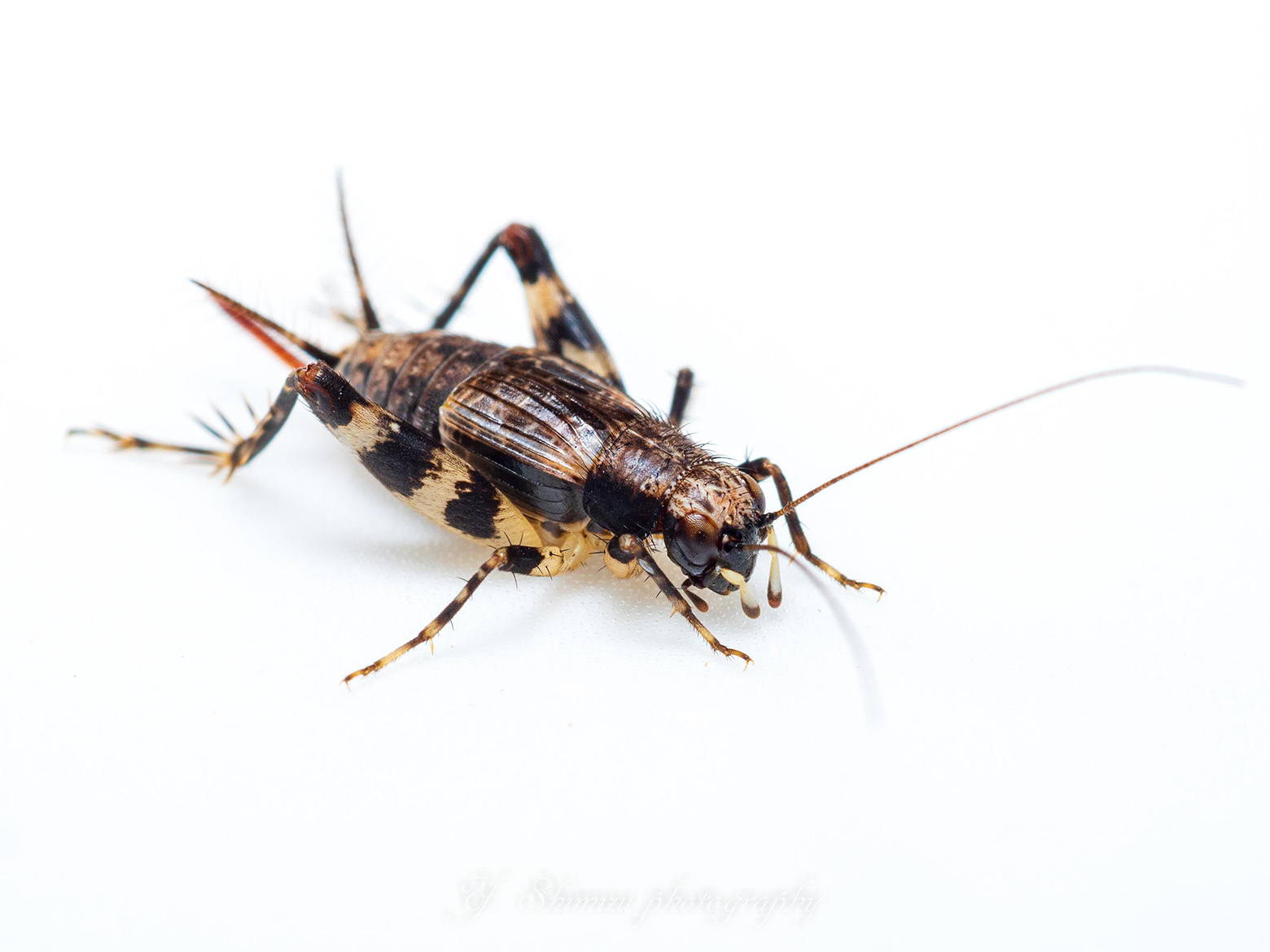
Organisms have evolved various adaptive strategies to cope with environmental changes. Among these, predictive responses and dormancy phenomena (such as diapause, hibernation, and dauer) represent crucial mechanisms for surviving unfavorable environments (Fig. 1). Additionally, organisms living in specialized environments, such as crickets of the genus Myrmecophilus, have undergone dramatic morphological evolution and ecological adaptation through symbiosis with their hosts, providing quintessential examples of the diversity of biological adaptation strategies (Fig. 2).
Our research aims to elucidate the molecular mechanisms of environmental adaptation through genomic and multi-omics analyses. Specifically, we employ comparative genomic analysis of non-model insects and microalgae, along with technologies such as RNA-seq, ATAC-seq, and proteomics analysis to uncover the complex regulatory networks extending from environmental signal reception to metabolic and developmental regulation. Furthermore, we are advancing our understanding of the molecular foundations of organismal interactions and symbiotic evolution through whole-genome analysis of organisms living in specialized environments.
This research provides new perspectives bridging molecular biology and ecology, while aiming to contribute to solving various societal challenges through deeper understanding of organisms' adaptation mechanisms to environmental changes.