Tokyo University of Agriculture and Technology Biomolecular Engineering & Marine Biotechnology Lab.
Elucidation of Biological Hard Tissue Formation
Mechanisms and Their Application to Material Synthesis
We are engaged in research to elucidate the formation mechanisms of biological hard tissues such as
biominerals and apply these principles to material synthesis.
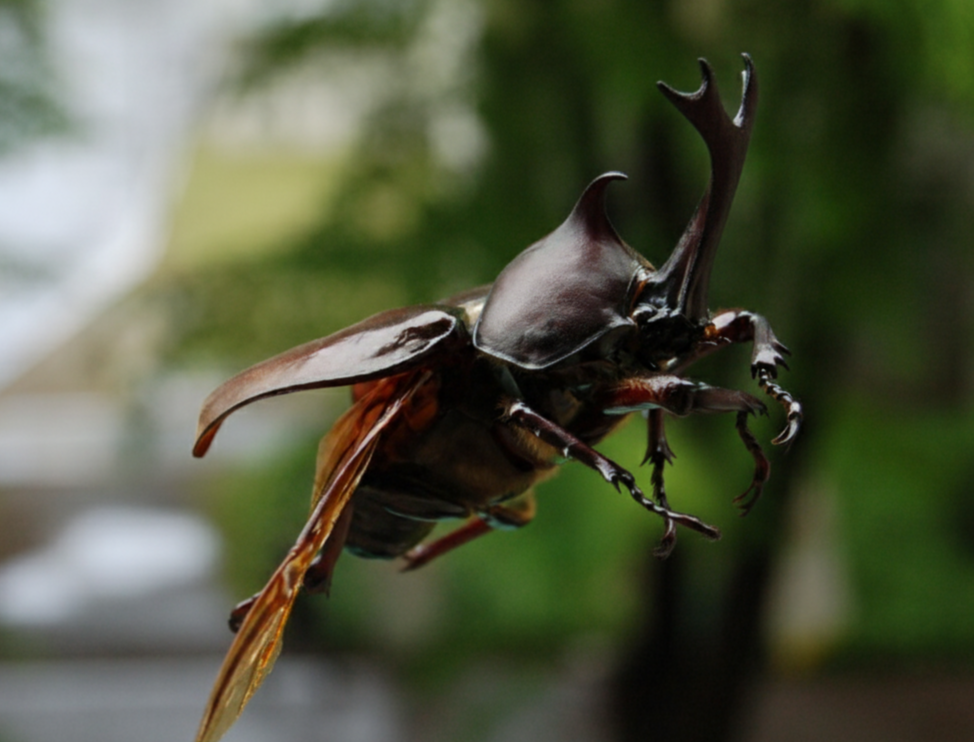
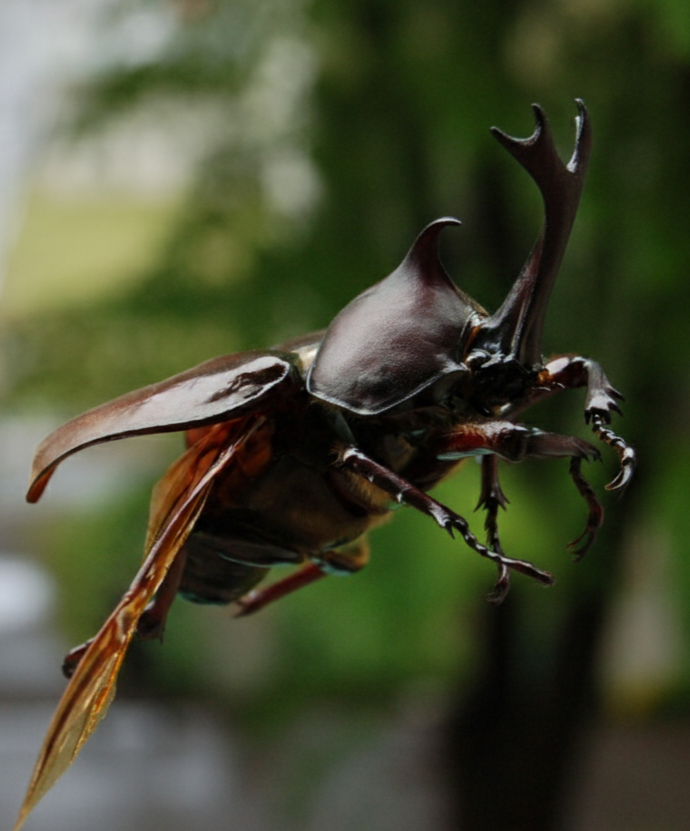
Throughout evolution, organisms have developed sophisticated hard tissues (biological hard tissues) to protect themselves from predators and acquire functions necessary for survival. Representative examples include turtle shells, mollusk shells, and exoskeletons of insects and crustaceans, which also function as specialized organs for food acquisition, such as animal teeth and bird beaks. These biological hard tissues are composed of elements abundant on Earth and organic compounds synthesized by cells. However, their structures and mechanical properties are precisely controlled at the molecular level and optimized according to the ecological needs of each organism. From this perspective, biological hard tissues can be regarded as cutting-edge materials refined through hundreds of millions of years of natural selection—truly advanced materials created by biological evolution. Our laboratory focuses on elucidating the formation mechanisms of biological hard tissues at molecular and cellular levels and developing innovative material synthesis methods utilizing these mechanisms. We aim to understand the ingenious design principles of nature and pave the way for next-generation sustainable material development.