1) Shikoku Natural History and Science Research Center: Research on the conservation of Asiatic black bear populations in Shikoku
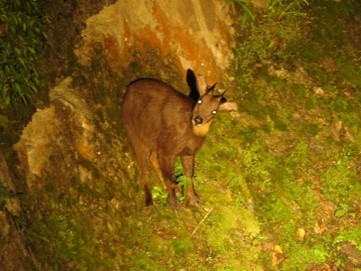
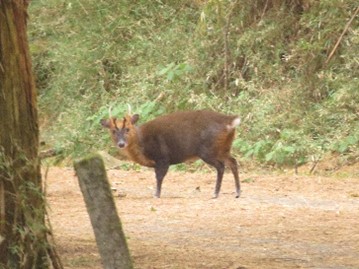
2) National Pingtung University of Science and Technology: Research on the ecology of Taiwanese ungulates
3) Obihiro University of Agriculture and Veterinary Medicine: Research on the anatomy of the Japanese serow
4) National Institute for Environmental Studies: Snapshot Japan and research on the eradication project of mongoose in Amami Oshima
5) Utsunomiya University: Research on the ecology of the northern tabira bitterling
6) Ibaraki University: Research on the conservation ecology of fish in the Lake Kasumigaura and Lake Kitaura watersheds
7) Ministry of the Environment, Okinawa-Amami Natural Environment Office: Research on monitoring methods for the Iriomote cat
8) Maximilian L. Allen, Associate Professor, University of Illinois: Researching scavengers and the Carnivora order
9) Sam Steyaert, Associate Professor, Nord University (Norway): Researching interactions between living organisms
10) Andreas Zedrosser, Professor, South-Eastern University (Norway): Researching Ursidae biology
11) Bainah Sari Dewi, Lecturer, University of Lampung (Indonesia): Researching forest management and biodiversity
12) Kanagawa Environmental Conservation Center: Verify the effectiveness of ecosystem conservation in projects to restore Japanese beech groves (Fagus crenata)
13) Hokkaido Research Organization: Researching population movements in sika deer (Cervus nippon)
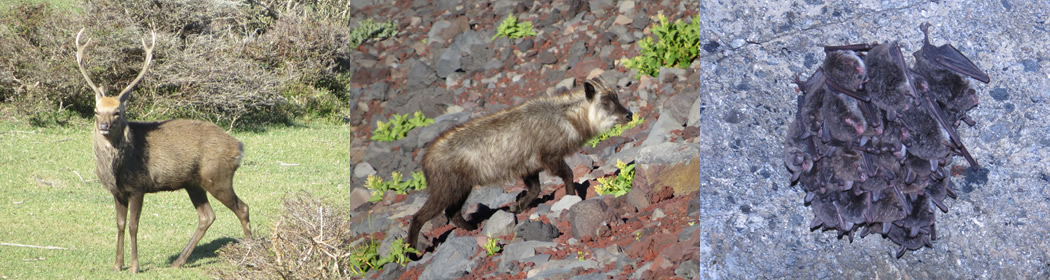
14) Mount Fuji Research Institute: Researching the behavioral patterns of sika deer (Cervus nippon) and Japanese serow (Capricornis crispus)
15) Toho University: Researching the genetics of Japanese serow (Capricornis crispus) and bats (Chiroptera)
16) Hokkaido University: Researching the biology of bats (Chiroptera)
International Collaborative Research
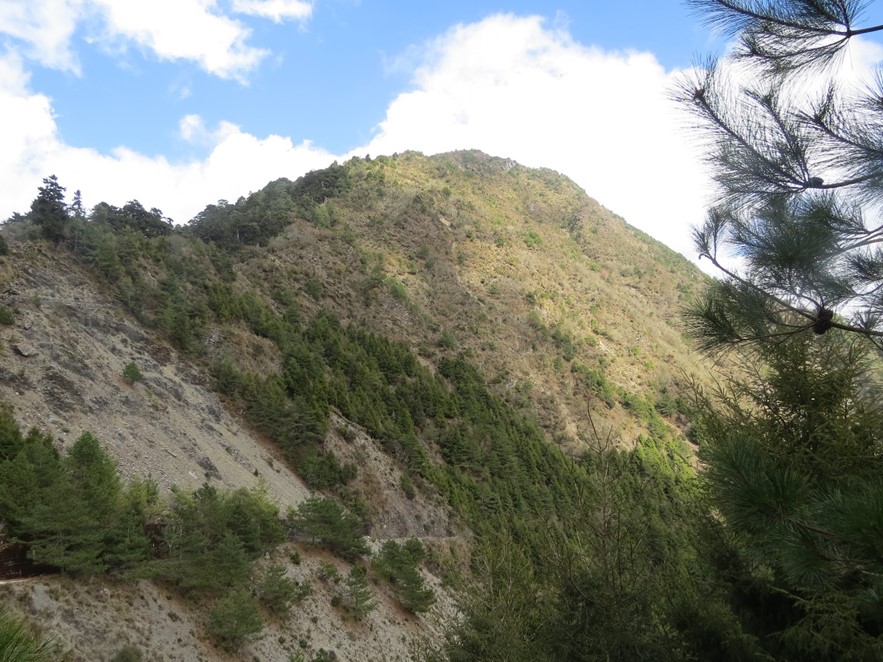
In 2024, Associate Professor Hayato Takada initiated an international collaborative research project in Taiwan focused on the behavioral ecology of large herbivores.
- Collaborators:
Dr. Kurtis Jay-Chi Pei, President of the Taiwan Wildlife Society
Dr. Nick Chin-Min Sun, Assistant Professor at National Pingtung University of Science and Technology
- Collaborative Research Summary:
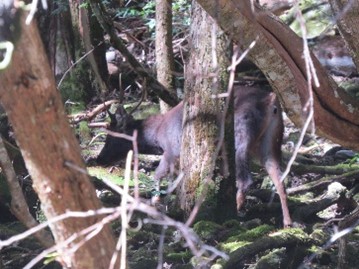
In Japan, an increase in the sika deer population has negatively impacted the ecosystem, leading to a decline in the Japanese serow due to interspecific competition. In Taiwan, there has recently been a confirmed increase in the population of some deer species, such as sambar and Reeves's muntjac, which may also impact other herbivores, including the Formosan serow. However, there is a lack of research on the behavioral ecology of these large herbivores in Taiwan, underscoring the need for foundational studies to support effective conservation management. This collaborative research aims to apply established Japanese herbivore research methods in Taiwan, with the goal of clarifying key ecological aspects, including food habits, habitat use, activity patterns, and social systems. These efforts will enhance wildlife management techniques in East Asia.
Symposium Report
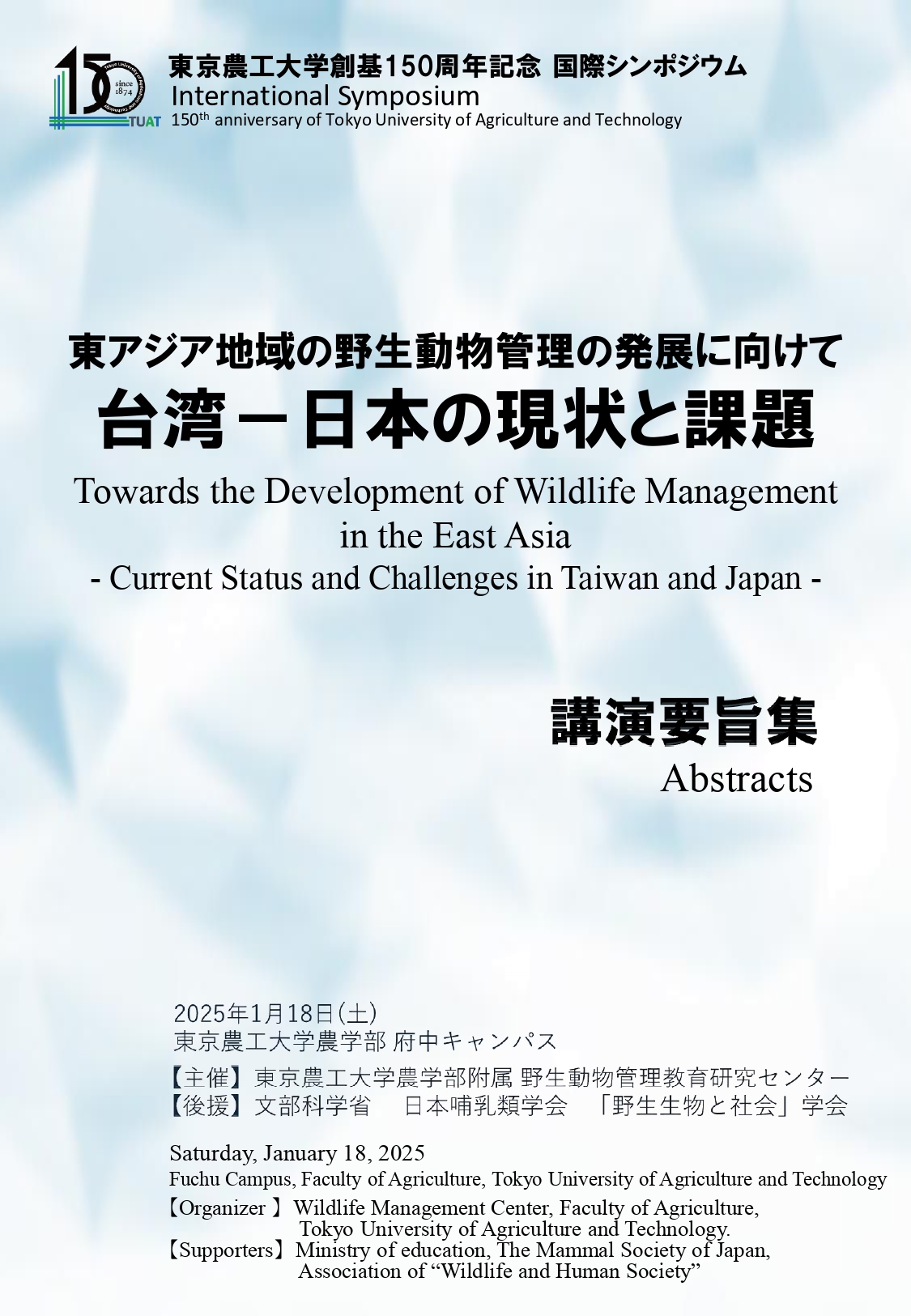
Report on the “Tokyo University of Agriculture and Technology 150th Foundation Anniversary International Symposium”
On Saturday, January 18, 2025, an international symposium was held at the Faculty of Agriculture, Tokyo University of Agriculture and Technology (TUAT) with the theme “Toward the Development of Wildlife Management in East Asia: Current Situation and Challenges in Taiwan and Japan.”
This event focused on Taiwan and Japan, two East Asian countries that share similar natural and social environments. We invited Dr.Kurtis Jai-Chyi Pei (Chairperson, Taiwan Wildlife Society), Dr. Mei-Hsiu Hwang (Professor, National Pingtung University of Science and Technology), and Dr.Guo-Jing Weng (Professor, National Pingtung University of Science and Technology) from Taiwan to present and discuss research on wildlife ecology, conservation, and management in both regions.
For more details, please refer to the abstract collection here.