Research

Plants × Weather × Sensing

Understanding how trees get wet and sway

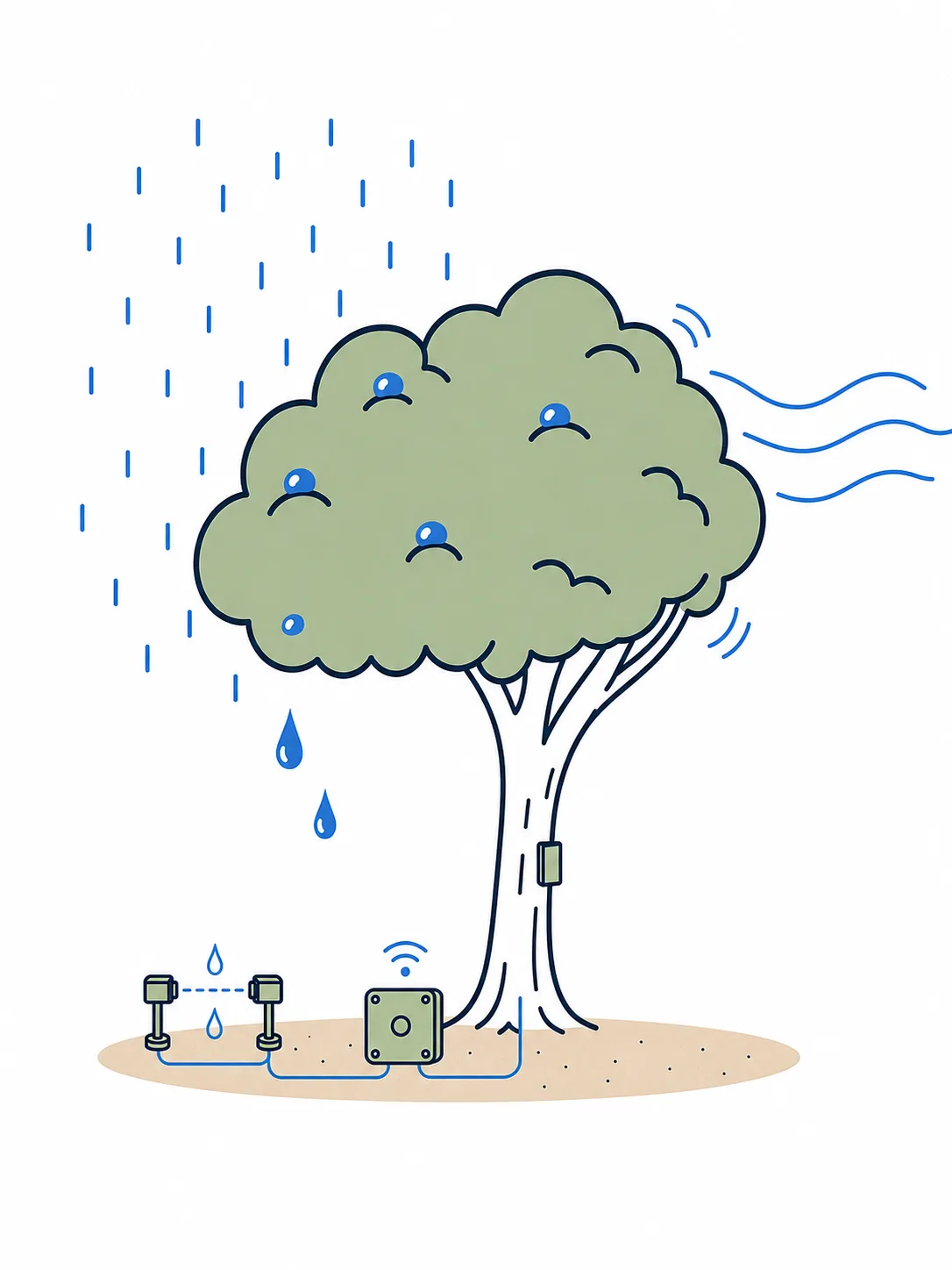
PEDAL investigates how plants respond to rain and wind, and how these responses affect water movement, mechanical stability, soil processes, and the protective functions of forests.

Conceptual diagram of tree wetting by rain, tree sway under wind, and environmental sensing

Our two core research axes are rainfall dynamics and plant biomechanics. From these axes, our research extends to land-surface and slope processes. Across all areas, we develop environmental sensing methods and instruments to reveal phenomena that are difficult to capture with conventional measurements.

By combining field observations, controlled experiments, instrument development, and data analysis, we seek to understand dynamic interactions between plants and their environment across scales ranging from individual raindrops and leaves to trees, forests, and mountain landscapes.

Research framework

PEDAL Research Framework

Two core research axes extend toward land-surface and slope processes, while environmental sensing and instrument development provide a shared technological foundation.

Core research axes
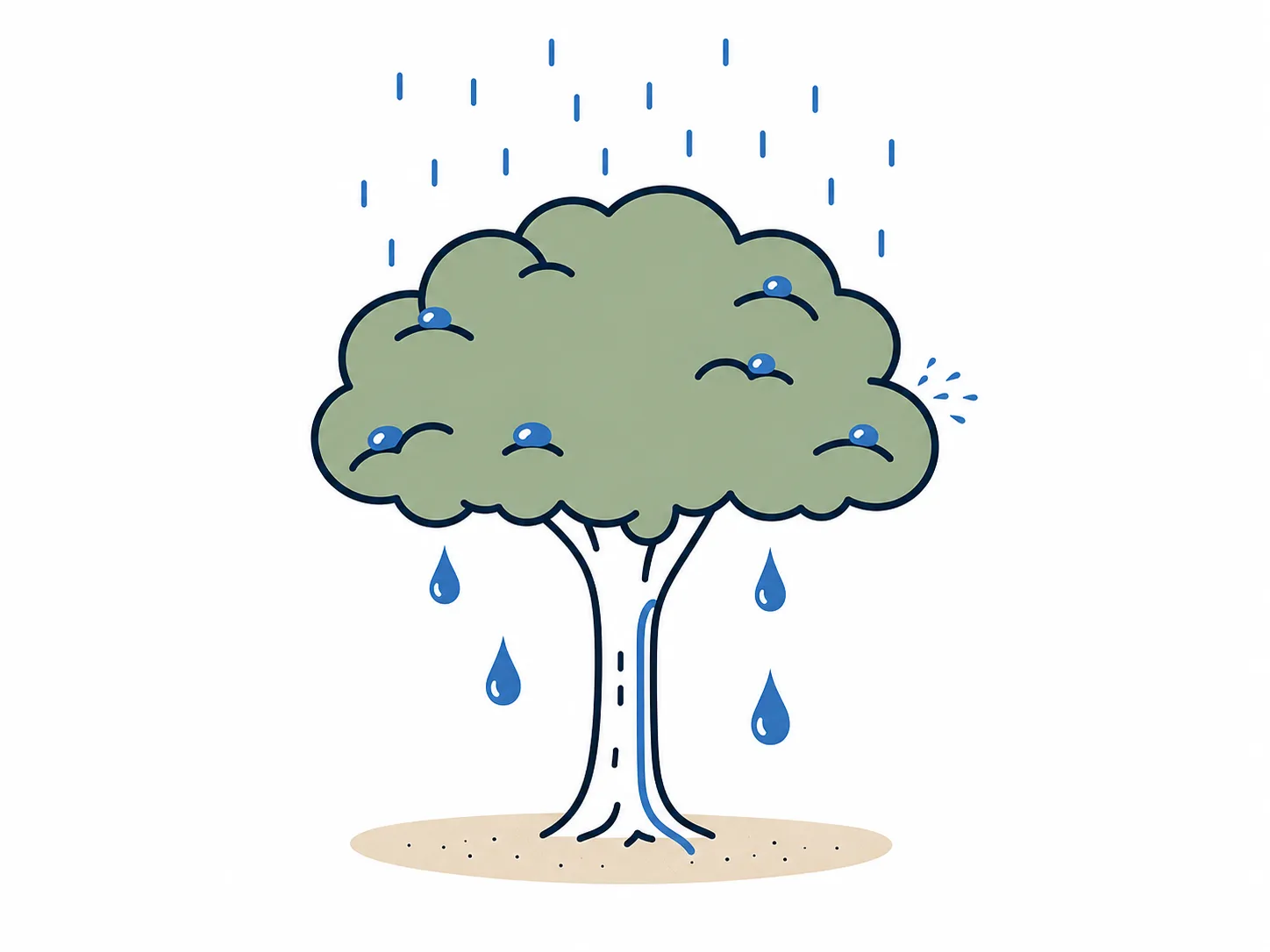
Conceptual diagram of rainfall above a forest canopy, throughfall, and stemflow
RD Rainfall Dynamics Core research axis

Precipitation measurement, forest rainfall partitioning, and raindrop physics

We investigate how rainfall varies across space and time and how it is transformed through interactions with vegetation. Our research follows water from precipitation in the open, through adhesion, splash, breakup, coalescence, stemflow, and evaporation, to its eventual arrival at the forest floor.

Measurements of drop size, velocity, impact, and spatial variability allow us to connect processes occurring at the scale of individual drops and leaves with rainfall redistribution at the scale of trees and forests.

Focus: Precipitation, raindrops, canopy interception, throughfall, stemflow, and wetting of leaves and branches
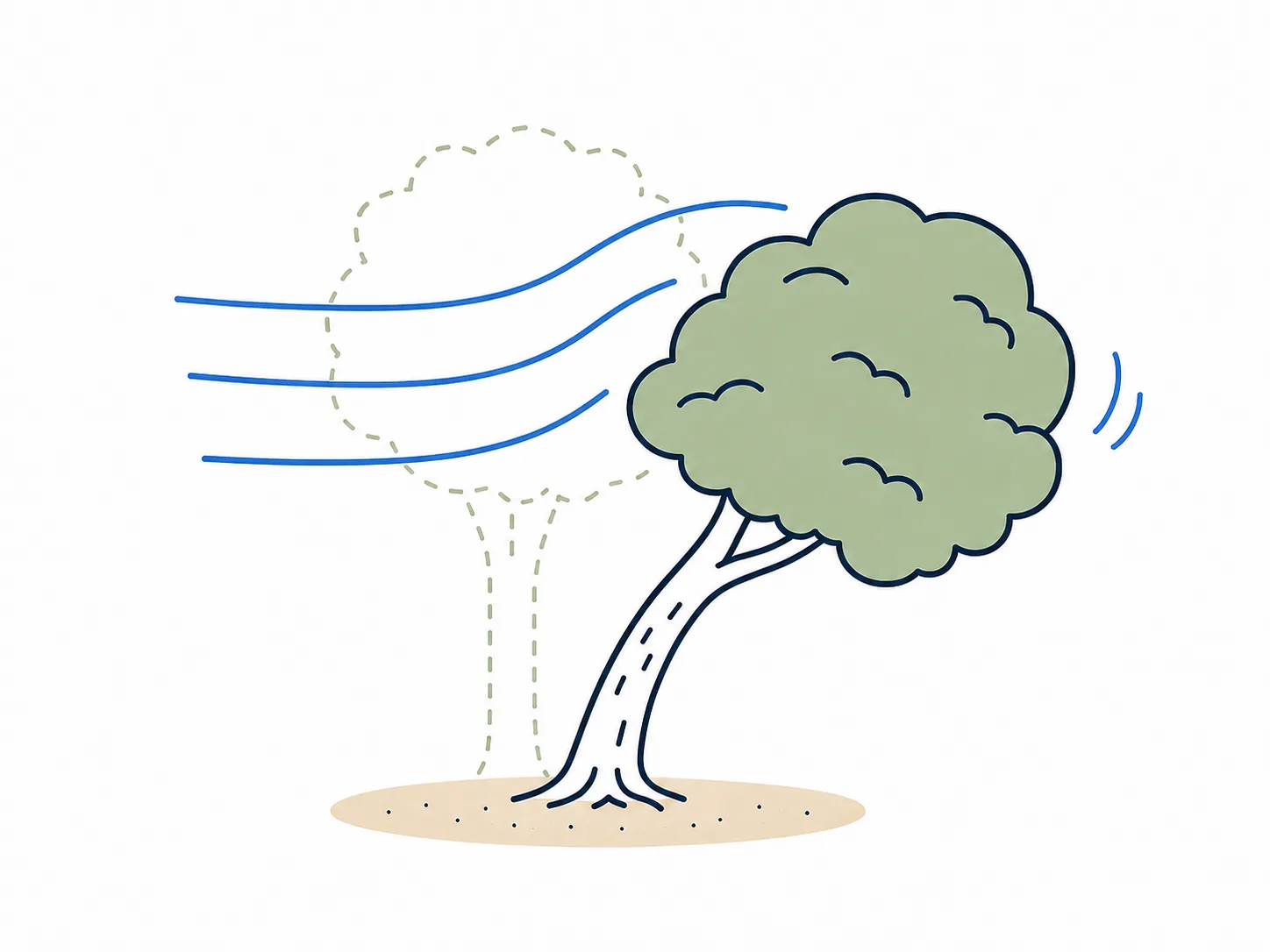
Conceptual diagram of a tree swaying under wind
PB Plant Biomechanics Core research axis

Plant biomechanics and tree mechanics

We investigate how trees deform, sway, and respond mechanically to wind, rain, and snow. Measurements of branch and stem deformation, tree motion, mechanical properties, and three-dimensional architecture are combined with physical and numerical analyses.

This work connects the flexibility of leaves and branches with whole-tree stability, wind resistance, rainwater loading, and the protective functions of forests.

Focus: Flexibility, deflection, tree sway, mechanical properties, three-dimensional tree architecture, and wind resistance

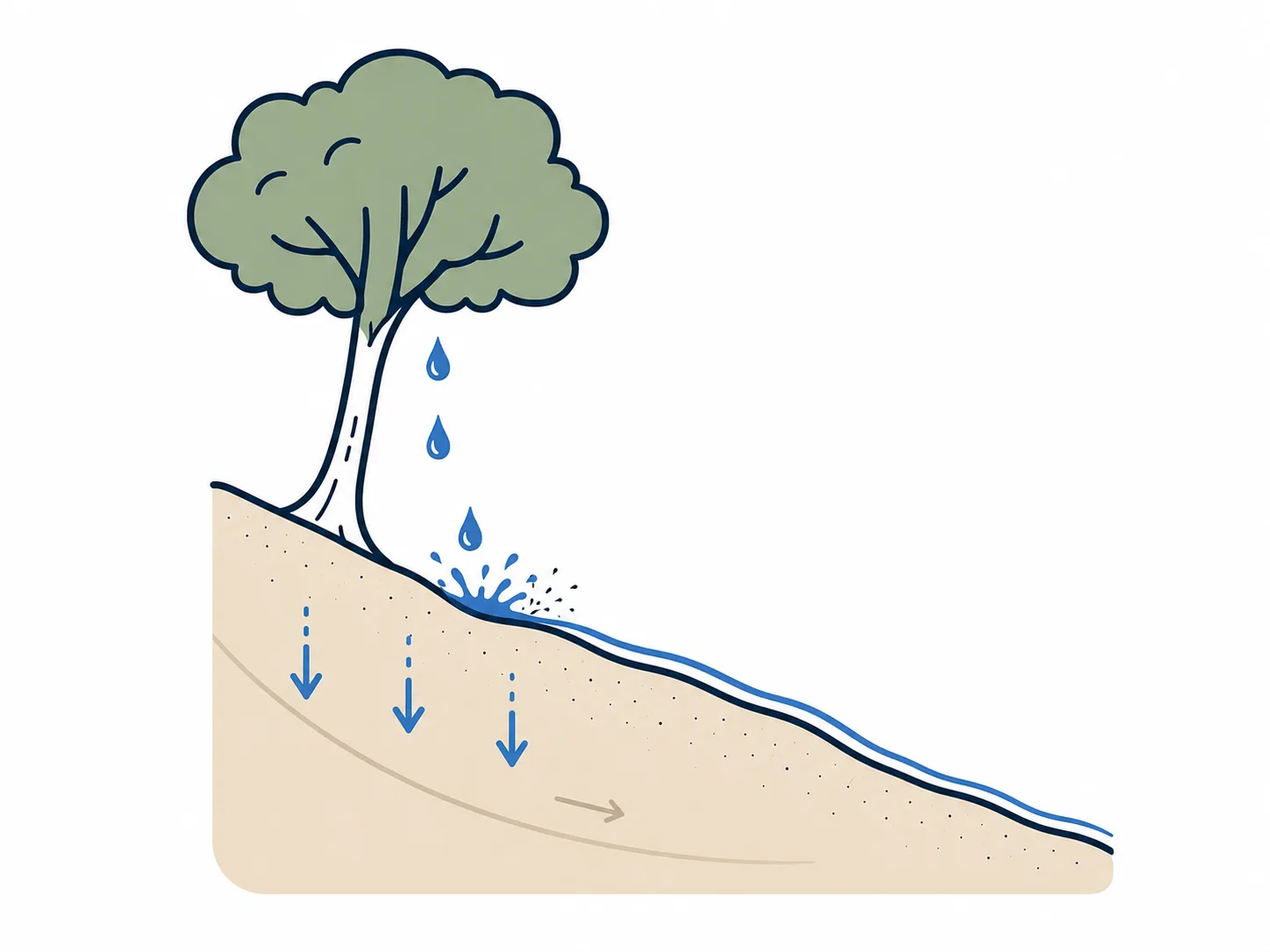
Conceptual diagram of raindrop impact, infiltration, and overland flow on a forested slope
LP Land-surface Processes Extended research domain

Soil erosion and land-surface processes

We examine how rainfall modified by vegetation affects forest floors, soils, and mountain slopes. Raindrop impact, ground cover, infiltration, overland flow, sediment transport, soil moisture, and slope movement are treated as connected processes.

This area extends findings from rainfall dynamics and plant biomechanics toward forest soil conservation and slope-hazard research.

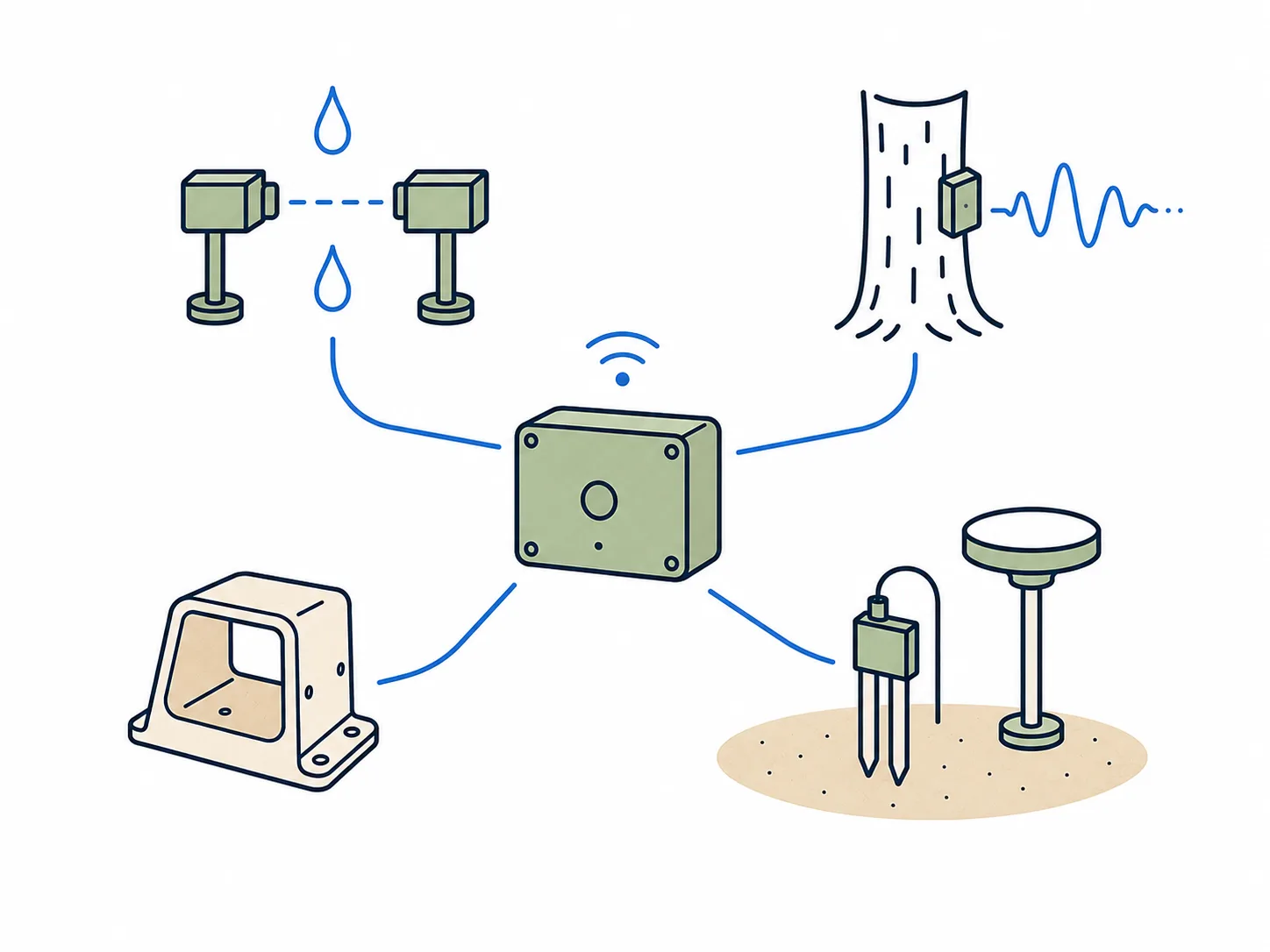
Conceptual diagram of environmental sensing instruments connected across a field site
ES Environmental Sensing Cross-cutting technological foundation

Environmental sensing and instrument development

When commercially available instruments cannot capture the required phenomenon, we develop the measurement method and observation system ourselves. Depending on the research question, we combine sensors, microcontrollers, IoT, GNSS, three-dimensional printing, high-speed imaging, and image or point-cloud analysis.

Instrument development supports all PEDAL research areas and makes previously inaccessible questions experimentally testable.

Scientific scope

Representative Research Questions

The following questions illustrate the scientific scope of PEDAL across its four research areas.

RD

How does vegetation alter the size, velocity, impact, and spatial distribution of raindrops?

RD

What controls the spatial and temporal variability of throughfall, stemflow, and canopy water storage?

PB

How do tree architecture and mechanical properties influence deformation and sway under wind, rain, and snow?

RDPB

How do the form, surface properties, and flexibility of leaves and branches affect water retention and drainage?

RDLP

How do canopy-modified rainfall and forest-floor conditions control splash erosion, overland flow, and sediment transport?

ES

How can purpose-built and distributed sensing systems reveal environmental dynamics that conventional instruments cannot capture?

These questions represent the broader scientific scope of PEDAL. They are not a list of currently available student projects. Specific research opportunities depend on timing, supervision capacity, access to field sites, data and equipment, and the requirements of individual projects.

How we work

How We Conduct Research

  1. 01

    Observe phenomena in the field

    We conduct long-term and multi-site observations in forests, mountain environments, and other field settings to capture rainfall, wind, tree motion, and land-surface processes under natural conditions.

  2. 02

    Investigate mechanisms under controlled conditions

    We reproduce selected processes under controlled conditions and use rainfall experiments, high-speed imaging, weighing, and mechanical tests to identify their underlying causes.

  3. 03

    Build the instruments we need

    We design measurement systems suited to each research question, integrating instrument structures, sensors, electronics, data logging, communication, and analysis.

  4. 04

    Interpret processes through data and models

    We analyze time series, images, video, spatial data, and three-dimensional point clouds using statistical methods, physical models, machine learning, and simulation.

PEDAL works across forest hydrology, plant biomechanics, soil and slope processes, meteorology, engineering, and information science. We connect observations and experiments with instrument development and data analysis to explain plant–environment interactions from multiple perspectives.

Publications & outputs

Publications and Research Outputs

Further details on our research questions, methods, and findings are available through our peer-reviewed publications, conference presentations, and other research outputs.

Join & collaborate

Prospective Students and Collaborators

Students

For Prospective Students

Information on available degree pathways, research fit, how research topics are developed, and the initial screening process is provided on the Recruitment page.

The research areas and questions presented on this page describe the scientific scope of PEDAL and do not indicate that every topic is currently available to prospective students.

Recruitment and application information

Collaboration

For Collaborators

PEDAL welcomes enquiries concerning joint observations, measurement methods, instrument evaluation, data analysis, and related research activities. Please contact us with a clear research objective, target phenomenon, and proposed form of collaboration.

Contact and access